
African American Museum Dallas Reopens May 1, 2026
The African American Museum Dallas reopens May 1 with two new exhibitions at Fair Park, including a free show drawing from its 40,000-image Sepia archive.
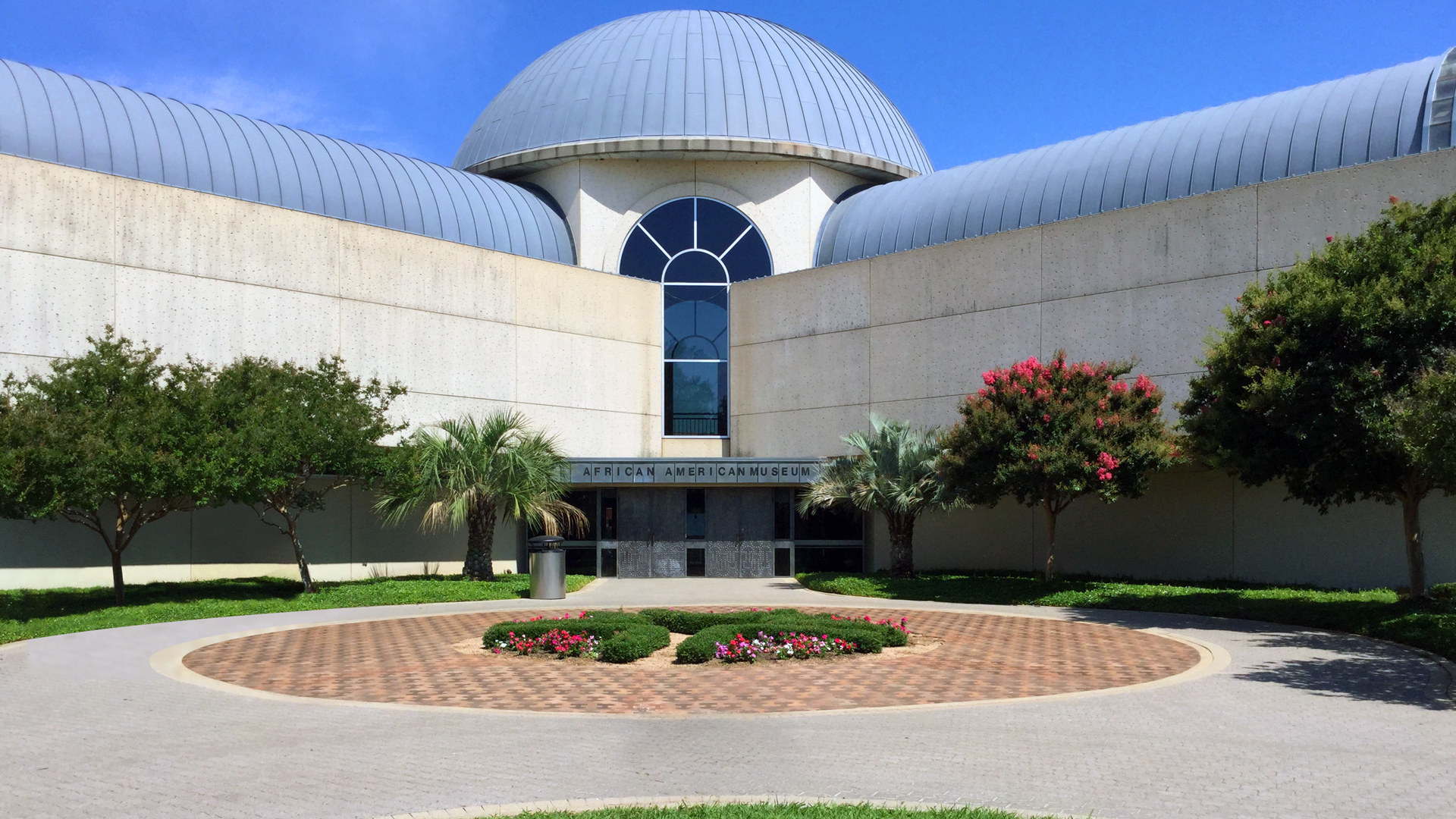
The African American Museum, Dallas reopens May 1 after a monthslong closure, bringing two new exhibitions to Fair Park that carry significance well beyond the museum’s walls.
For Preston Hollow residents and Park Cities families who make Fair Park a regular stop, the timing works. The museum shut down in March for facility improvements and spent the spring months on floor repairs, auditorium renovations, painting, electrical work, HVAC upgrades, and technology improvements. The work was designed to sharpen the visitor experience ahead of a packed summer calendar.
The reopening launches with “People Who Make the World Go ‘Round: The Legacy of Sepia Magazine,” on view from May 1 through Aug. 11 and free to the public. The exhibition draws from the museum’s own Sepia photographic archive, which holds more than 40,000 images. Portraits of Aretha Franklin, Ray Charles, Maya Angelou, Dr. Martin Luther King Jr., and Thurgood Marshall anchor the show. Admission is free.
Sepia has a story worth knowing. The magazine started in Fort Worth in 1946, originally called Negro Achievements, founded by clothing merchant Horace J. Blackwell. After Blackwell died in 1949, publisher George Levitan bought the publication, renamed it Sepia in 1950, and kept it running until 1983. At its peak, Sepia stood alongside Ebony and Jet as a national voice in Black journalism, distinguished by its Southern editorial perspective and its documentation of political change, cultural life, and everyday experience in African American communities across the country. Nearly four decades of publishing left behind an archive that the museum now holds and interprets.
The exhibition, presented by Exhibits USA, a program of Mid-America Arts Alliance, is organized thematically around portraiture, fashion, global politics, and the individuals who shaped American culture and society.
“Sepia was more than a magazine. It was a powerful platform that documented Black life with depth, nuance and pride,” said Lisa Brown Ross, president and CEO of the African American Museum, Dallas. “Reopening with this exhibition allows us to share that legacy in a renewed space that enhances how these stories are experienced and preserved.”
Then June arrives.
Starting June 13, the museum presents “Mandela: The Official Exhibition,” making its Texas debut at Fair Park. The show, developed in partnership with the City of Dallas, explores the life of Nelson Mandela, his vision of justice, service, and reconciliation, and his continued influence around the world. Details on the full scope of that exhibition are still being finalized.
NBC DFW first reported the museum’s reopening plans and the two upcoming exhibitions, including the May 1 timeline.
The African American Museum is one of the few institutions in the American Southwest dedicated solely to the preservation and exhibition of African American artistic, cultural, and historical materials. Its location at Fair Park, the National Historic Landmark complex that also houses the State Fair of Texas grounds, puts it within easy driving distance of Preston Hollow via Mockingbird Lane or Northwest Highway. Parking is free.
For families with children in Highland Park ISD or Dallas ISD, both exhibitions carry real classroom relevance. The Sepia show runs deep into summer, giving educators who want to bring students before the school year ends in late May a narrow window. The Mandela exhibition’s June 13 opening lands just as summer programs kick into gear, and the City of Dallas partnership suggests the exhibition will draw institutional attention and organized visits from across the metro.
The African American Museum, Dallas does not charge general admission, which removes the barrier that keeps some Fair Park institutions from reaching wider audiences. The facility improvements completed during the spring closure add a physical upgrade to that accessibility, with a renovated auditorium that will likely support programming tied to both exhibitions throughout the summer.