
Texas Lawmakers Push Dallas November Elections Bill
Texas legislators push to move Dallas elections from May to November, following voters' approval of a charter amendment aimed at boosting turnout.
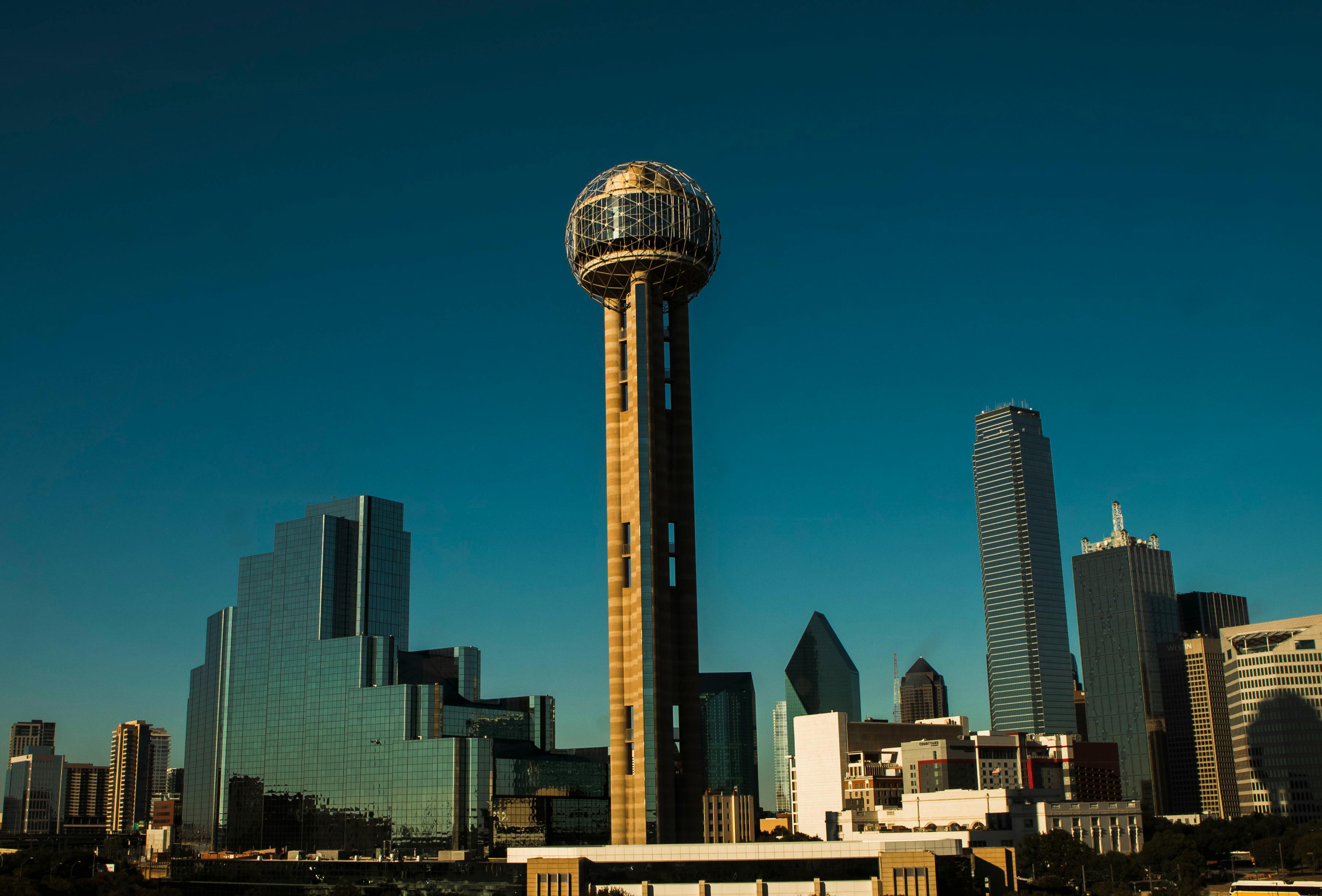
Dallas voters made their preference clear last November. By a wide margin, they approved a city charter amendment to move local elections from May to November, a shift aimed at boosting turnout, cutting costs and reducing voter fatigue. Now the question is whether the Texas Legislature will finish the job before the session closes.
Three of Dallas’ state legislators introduced nearly identical bills in February to make the transition happen. Rep. Rafael Anchia filed House Bill 3097. Sens. Nathan Johnson and Royce West filed Senate Bill 1494. All three are Democrats, and the legislation would bring Dallas in line with Houston and Austin, which already hold municipal elections in November.
The progress has been uneven. Anchia’s House bill remains stuck in committee. But Johnson and West’s Senate bill cleared the House Elections Committee this week after passing the full Senate unanimously in April. If it reaches a floor vote and passes the House, it heads to Gov. Greg Abbott’s desk.
The timing is tight. The legislative session is nearing its end, and Anchia and West have been unavailable for comment despite repeated outreach from this publication.
The stakes are real. The May 3 municipal election in Dallas drew about 7% of registered voters. In the nine-way race for City Council District 6, only 6% of registered voters cast a ballot. That is not a fluke or an outlier. It is the predictable result of a system designed, according to political analysts, to produce exactly that outcome.
The historical roots of May elections trace back more than a century to Progressive Era reforms. Political scientists studying off-cycle elections, meaning municipal or school board votes held outside of November general elections, have found that they tend to amplify the influence of organized interest groups like teachers’ unions and municipal workers. Reformers of that era deliberately separated city and school board elections from partisan general ballots.
David de la Fuente, a political analyst who represented Dallas District 1 on the City Charter Review Commission, says those early reformers were not shy about their goals. Studies point to off-cycle elections’ original intent to suppress turnout among working-class and marginalized voters.
“They essentially bragged that only the most passionate, and often more elite, voters would show up,” de la Fuente says.
That legacy plays out in the numbers. Houston holds its municipal elections in November of off-years, meaning they do not coincide with presidential or congressional races. Even so, Houston reported more than double the voter turnout compared to Dallas in its most recent municipal cycle, with roughly 23% of registered voters participating.
Moving Dallas elections to November would not just boost participation. It would also reduce costs for the city and county, since running a standalone May election requires dedicated resources that a combined November ballot does not.
For North Dallas residents, this is not an abstraction. City Council races, bond elections, mayoral contests and school board seats shape budgets, zoning decisions, police staffing and infrastructure spending. When only one in fourteen registered voters shows up, a small and organized minority effectively sets the agenda for everyone else.
Dallas voters recognized that problem and voted to fix it. The city charter amendment passed with overwhelming support. The legislation to implement it sailed through the Texas Senate without a single dissenting vote. The remaining obstacle is the Texas House, where Anchia’s companion bill sits dormant and Johnson and West’s version still needs a floor vote.
Texas Republicans have generally shown skepticism toward consolidating local elections into November cycles, viewing off-cycle elections as a structural advantage in certain races. Whether that skepticism holds as SB 1494 approaches a floor vote will determine whether Dallas gets the election reform its voters already approved.
The session does not have much time left. If the bill stalls now, the question of when Dallas holds its elections goes back to the starting line, and another cycle of low-turnout May elections follows. The Senate voted unanimously. The House committee cleared the bill without opposition. What happens next is up to the full House.