
DART Board Hears Public on Park Cities Withdrawal
Highland Park, University Park, and Addison weigh DART withdrawal as residents and officials debate the regional transit network's future.
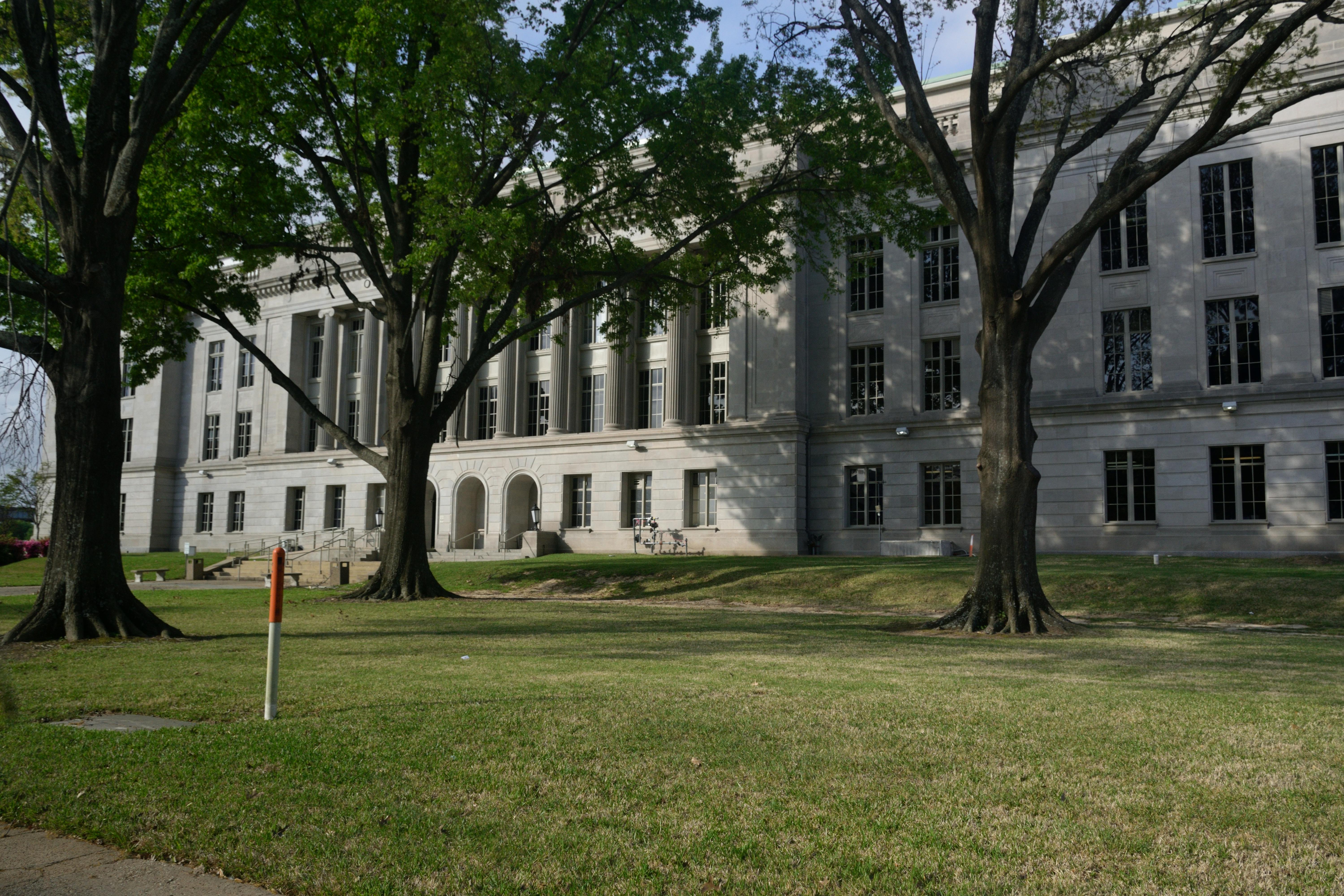
The DART board got an earful Tuesday from residents and officials across the agency’s service area, as communities from Addison to the Park Cities weighed in on what withdrawal elections in Highland Park and University Park could mean for the regional transit network.
The hearings come as both Park Cities municipalities move toward votes on whether to exit DART, the regional agency that has served the Dallas area for decades. Addison is also weighing its options. Together, the three cities represent a significant chunk of DART’s membership, and their potential departure is forcing a hard public reckoning about what the system looks like if affluent northern suburbs start pulling out.
Park Cities residents who spoke before the board made clear they see limited personal use in the service. Highland Park and University Park are among the wealthiest municipalities in Texas, with high rates of car ownership and relatively few residents who depend on bus or rail to get to work. For those communities, the question of DART membership is partly financial. Member cities contribute a one-cent sales tax to fund the agency, and withdrawal advocates argue that money could be better spent locally.
But transit advocates and DART supporters pushed back hard. The agency’s network is regional by design. Riders from across the service area use stations and routes that run through or near the Park Cities corridor, and the loss of sales tax revenue from multiple withdrawing cities would create a funding hole that could affect service far beyond those municipalities’ borders.
That regional interdependence is exactly what makes these withdrawal elections complicated. DART connects southern Dallas neighborhoods, suburban employment centers, the Medical District, downtown, and major nodes like Love Field and DFW Airport. Pulling anchor members from the funding structure does not just reduce service in those cities. It strains the whole network’s financial math.
For North Dallas and Preston Hollow residents, the stakes are real. Several DART routes and the Red Line corridor serve communities well north of downtown, and any service restructuring driven by budget pressure would hit those riders directly. The agency has already faced funding constraints in recent years, and adding revenue losses from withdrawal elections would accelerate difficult choices about where to cut.
The political dynamics here also track closely with broader debates playing out in Austin and Washington about the role of regional governance. Texas has long allowed municipalities significant autonomy, and the legal framework for DART withdrawal gives member cities a legitimate path out. But state legislators and Dallas-area leaders are watching closely to see whether these elections set a precedent that could reshape how regional transit competes for resources and political will.
DART’s board did not take a formal vote Tuesday. The session was structured as a public comment forum, giving the agency a record of community input before any formal action on the withdrawal processes moves forward. The board will need to weigh legal obligations around the withdrawal timeline against broader service planning decisions.
What stood out from Tuesday’s session is that the two sides are not really arguing about the same thing. Withdrawal supporters are making a local tax autonomy argument. Transit advocates are making a regional equity and infrastructure argument. Both have legitimate grounding, but they talk past each other in ways that make compromise difficult.
The cities’ withdrawal elections, if they proceed, would not happen overnight. The process involves legal steps, transition planning, and negotiations over assets and liabilities. But the political momentum behind the votes is real, and DART leadership knows it is operating against a ticking clock.
Dallas has spent years building a transit system that links communities across a sprawling metro. Losing member cities one by one does not just reduce the map. It undermines the coalition logic that made regional transit viable here in the first place. Tuesday’s meeting made clear that a lot of people understand what is at stake. Whether the communities actually voting in these elections feel the same way is a different question, and the answer will shape transit in North Texas for a generation.