
February Inflation Steady at 2.4% Before Iran Strike Shocks
February CPI held at 2.4% but the data predates US-Israel strikes on Iran that sent oil prices soaring and erased gas price cushions overnight.
The February inflation numbers arrived Wednesday looking almost reassuringly familiar. Then reality set in.
Consumer prices rose 2.4% last month compared with a year earlier, matching January’s pace, according to Labor Department data released Wednesday. Core inflation, which strips out food and energy, climbed 2.5% year-over-year, also flat with January and the lowest reading in five years. On the surface, a steady picture. Below it, something far more volatile is already burning.
The data captures American consumer prices as they stood before the United States and Israel launched strikes against Iran on Feb. 28. Since that attack, oil markets have swung wildly, Persian Gulf shipping lanes have effectively shut down, and gas prices have jumped at pumps across the country. What Preston Hollow drivers are paying today has almost nothing to do with what Wednesday’s report describes.
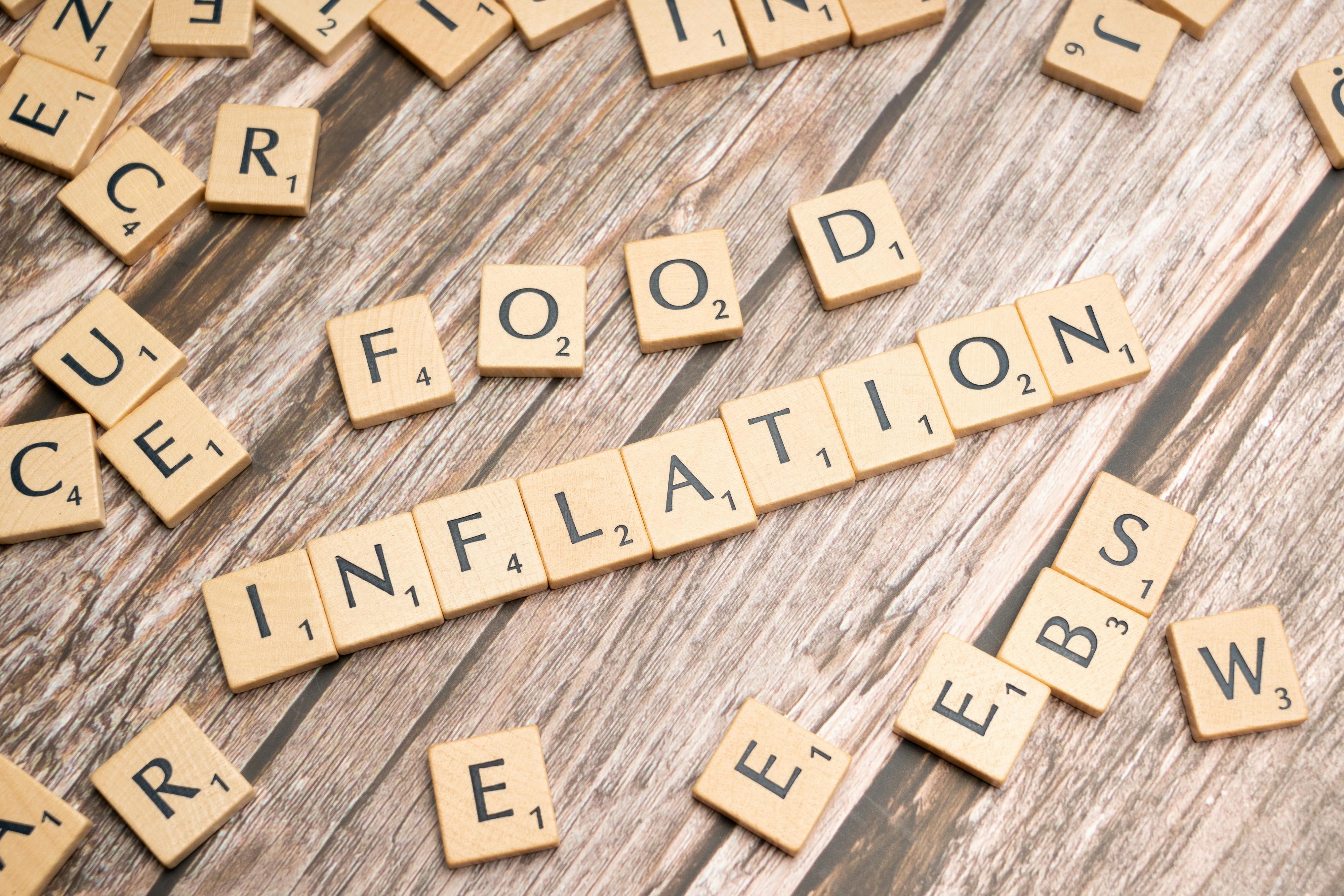
The February numbers still carry weight. Monthly prices rose 0.3%, up from 0.2% in January, a pace that would push annual inflation higher if sustained. Grocery prices continued their punishing climb, rising 0.4% for the month and 2.4% compared with a year ago. Gas rose 0.8% in February, though remained 5.6% below year-ago levels. That year-over-year cushion on gas is already gone. It evaporated the moment the first missiles flew.
Both the headline and core figures sit above the Federal Reserve’s 2% target, and Fed officials now face a significantly harder problem than they did two weeks ago. A conflict-driven energy spike complicates every tool they have. Raising rates to fight inflation risks choking an economy that’s already facing higher fuel costs across supply chains. Holding rates steady risks letting inflationary expectations slip loose again.
Oil prices swung to nearly $120 a barrel late Sunday before settling closer to $87 by Wednesday, after President Trump described the military campaign as a “short-term excursion.” But Trump has also threatened continued strikes, and no timeline for ending the conflict has emerged. That gap between the reassuring rhetoric and the operational reality is exactly what markets are trying to price right now.
The Strait of Hormuz sits at the center of the uncertainty. The strait’s closure has pulled roughly three-quarters of the Persian Gulf region’s oil production off world markets, according to Wood Mackenzie, an energy analytics firm. On Wednesday, a projectile struck a Thai cargo ship off Oman’s coast in the strait, setting it ablaze. Iran has also begun targeting oil fields and refineries across Gulf Arab nations, a deliberate strategy to generate enough global economic pain to pressure Washington and Tel Aviv toward de-escalation.
Wood Mackenzie forecasts oil could reach $150 a barrel in coming weeks if shipments don’t resume. At that price, gas costs would surge well beyond anything Americans have absorbed since the worst of the post-pandemic inflation spiral.
The political exposure here is real. Congressional Republicans will face voters in midterm elections later this year, and affordability has already become a charged issue for a party that swept into power partly on economic frustration. A sustained energy-driven inflation surge tests an already strained political coalition. Consumer spending drives roughly two-thirds of annual economic growth, and consumers who have spent nearly five years watching prices climb have limited patience left.
There is a scenario where this reverses quickly. If a ceasefire holds, if the Strait of Hormuz reopens, if oil falls back to manageable levels, the March and April inflation prints could look far less alarming than what analysts currently project. The energy spike, in that case, becomes a sharp but temporary disruption rather than a structural problem.
That scenario requires the conflict to end soon. Nothing in the current reporting confirms it will.
For families in Preston Hollow and across North Texas, the February numbers are already ancient history. The relevant question is what fills up at the gas station costs this weekend, what the grocery run looks like next week, and how long the uncertainty at the Strait of Hormuz continues to send those numbers in one direction.