
Sunny South Dallas PID Proposal Explained
South Dallas residents are scrutinizing a proposed Public Improvement District that could generate $9M over a decade for neighborhood upgrades.
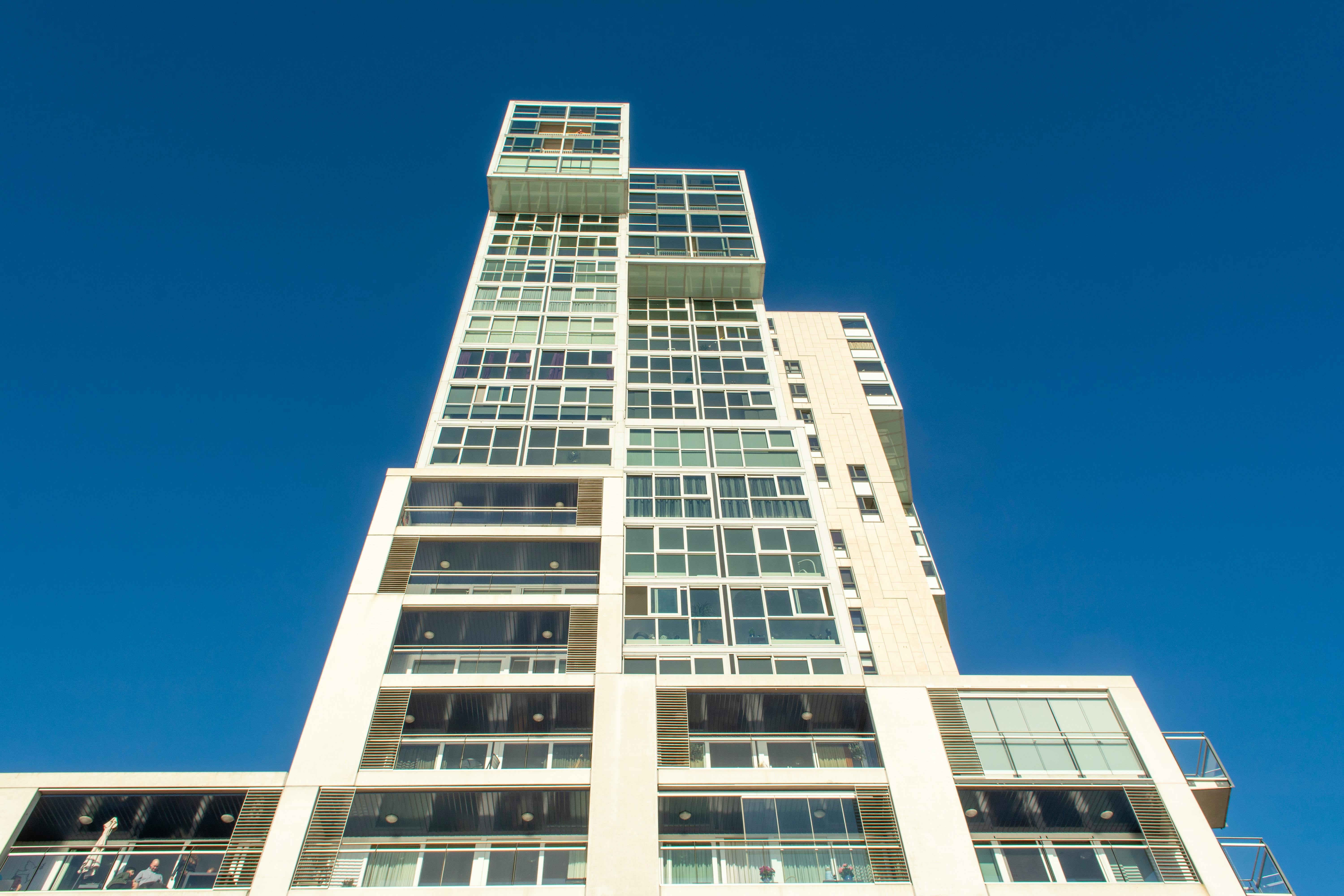
South Dallas is weighing a proposal that would reshape how the neighborhood funds its own future, and the questions coming in from residents suggest this community is not taking the pitch at face value.
Scottie Smith II, a community developer, is pushing for the creation of the Sunny South Dallas Public Improvement District. The proposed PID would cover roughly 1,375 parcels across South Dallas, totaling 7 million square feet of property and an assessed value of $375.95 million. Under his plan, property owners would pay Dallas County additional fees tied to their property values, generating an estimated $9 million over the next decade.
Smith argues that money could fund real, tangible improvements: increased police patrols, landscaping, sidewalk repairs, and drainage upgrades. He also contends that incoming development along the MLK corridor will shift most of the financial burden onto new property owners rather than longtime residents. A community-led board managed by Forest Forward would control how the funds are allocated.
“We’re at a really, really interesting point in South Dallas,” Smith said, “and knowing the amount of development coming over here that I have wind of, coming up and down the MLK corridor, I’m afraid there’s not going to be a way for the community to benefit from that, for real.”
That framing, development arriving faster than community infrastructure can absorb it, resonates in neighborhoods that have watched other parts of Dallas transform in ways that pushed out the people who built them. Smith is betting that a PID, structured correctly, offers a vehicle for South Dallas residents to direct that growth rather than absorb its costs.
Not everyone is convinced. Residents have raised pointed questions about accountability, about who really bears the fee burden, and about whether this structure can deliver on its promises. Those concerns are not abstract. South Dallas has been through this before.
A decade ago, a similar effort ended badly. That PID was also built on grassroots promises of community accountability. It collapsed when hundreds of thousands of dollars, paid by property owners over the first two years, disappeared without explanation. The money was never fully accounted for. That history sits at the center of the current debate, and it should. Neighborhoods have long memories for financial betrayal, especially when the victims were residents who had little margin to absorb the loss.
The current proposal designates Forest Forward as the managing entity, and Smith points to incoming development as the economic engine that will fund the district rather than longtime homeowners. Whether that framing holds up under scrutiny is exactly the kind of question that demands continued public examination.
Public meetings have been posted along Malcolm X Boulevard and Martin Luther King Jr. Boulevard, and community information sessions are ongoing. The process is moving, and property owners who want a voice in the outcome need to engage now, before the petition phase closes and the window for organized opposition or support narrows.
The stakes here extend beyond South Dallas. Dallas has an uneven track record with neighborhood improvement districts, and the communities that tend to absorb the worst outcomes are the ones with the least political capital to demand accountability after the fact. Smith is arguing this time will be different, that the governance structure is more sound, that the timing with development pressure creates a genuine opportunity for the community to capture value rather than lose it.
That argument deserves serious engagement. So does the skepticism. South Dallas residents asking hard questions about where the money goes and who controls it are not obstructing progress. They are doing exactly what a community should do when someone comes asking for a decade’s worth of financial commitment.
The proposed Sunny South Dallas PID is not settled. Property owners have the right to protest, and the process includes formal mechanisms for doing so. Anyone with property in the proposed district should understand their rights, attend the remaining public sessions, and make an informed decision. The history of what happened the last time is not a reason to automatically reject this effort. But it is a reason to verify every claim before signing on.