
Addison and Park Cities Vote on Leaving DART Transit
Early voting is underway in Addison, Highland Park, and University Park on whether to exit DART, a decision affecting 200,000 daily riders.
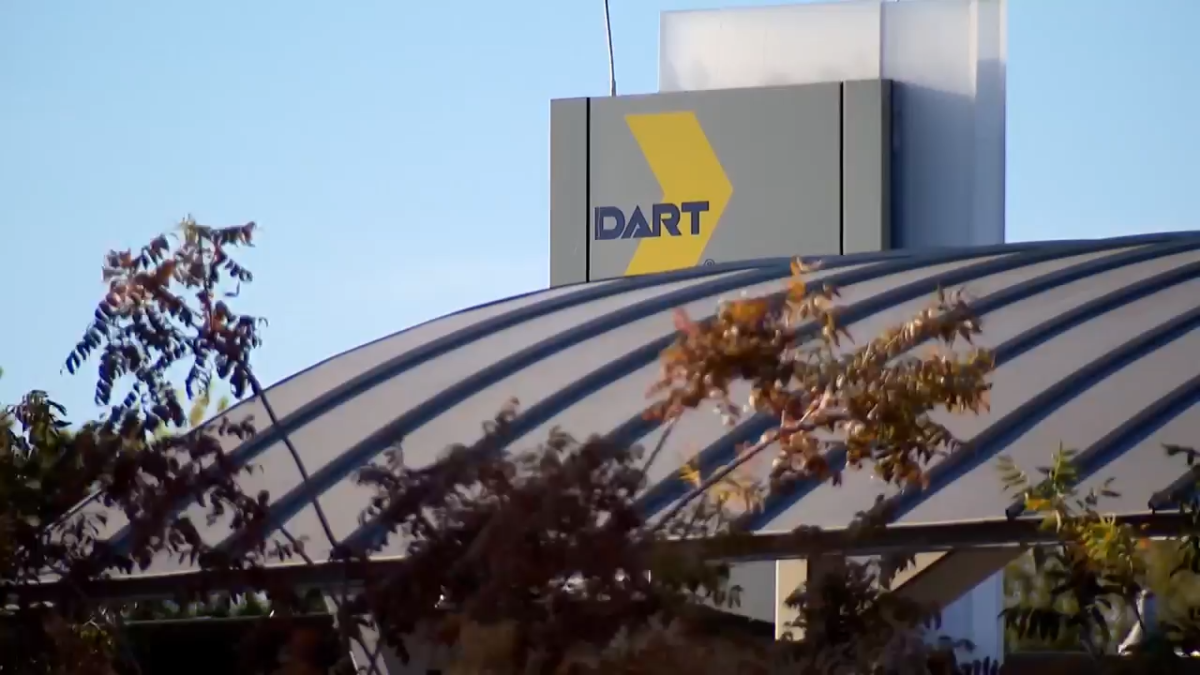
Early voting opened Monday in Highland Park, University Park and Addison on a question that could reshape how roughly 200,000 daily DART riders move across the region.
The election is set for May 2. Voters in all three cities will decide whether to leave the Dallas Area Rapid Transit system entirely, a step that would sever transit ties decades in the making and carry financial consequences that would outlast any exit.
Addison’s situation draws the sharpest scrutiny. The city of about 17,000 has contributed roughly $400 million to DART over its membership, including $16.7 million in fiscal year 2024. The Silver Line, which connects through Addison and positions the city as a regional transit hub, opened just months before leaders placed the exit question before voters. The city has also approved a $240 million mixed-use development near the station, a project that assumes continued transit access.
DART Board Chair Randall Bryant didn’t soften his view when asked about the stakes for workers and residents who depend on the system. “For those that need to access jobs or medical appointments, their voices are not being heard, but those are the voices that we’re standing up for,” Bryant told NBC DFW’s Lone Star Politics. He added that the city holds singular importance within the network: “Addison is one of our most integral transit centers for the entire network.”
Critics aren’t persuaded. Town Councilman Randy Smith laid out the anti-DART argument during a December council meeting: “I stand here with you, as everyone on this dais does. I believe in public transportation. But we are looking at a 1983 business model that has been broken.” That framing, that DART’s structure hasn’t kept pace with the region it serves, has driven the exit movement across multiple suburbs.
Earlier this year, several suburban cities pushed DART for governance reforms. They got some. Recent changes reduced Dallas’ majority control over the board, redistributing representation and funding weight based on population across member cities. Most of the suburbs that threatened to leave accepted those terms and stayed. Addison, Highland Park and University Park did not stand down.
Resident Valerie Collins, speaking at a January council meeting, pushed for the vote directly. “Addison can and will find alternative solutions. As far as the Silver Line, you can hop right across the tollway. We need to vote. You need to give us the vote,” Collins said.
Two political organizations have now formed around the outcome. Addison Way Forward supports staying in DART. Addison Deserves Better supports leaving. Both are running campaigns ahead of the May 2 deadline.
The financial picture for a departing city is complicated. Addison would still owe payments into DART after a vote to leave, until the city’s share of existing debt is retired. City leaders estimate that process takes about three years. Ride-share provider Via has been discussed as a potential alternative for local transportation needs, but it wouldn’t replicate the Silver Line’s regional reach.
Not everyone following the issue closely sees the timing as anything but strange. “It is kind of baffling,” Addison resident Tyler Wright told The Dallas Morning News. “It seems, in the context of Addison’s history, quite a fast turnaround.”
For Highland Park and University Park, the vote carries its own weight. The Park Cities have long maintained a complicated relationship with regional transit, given the relatively limited DART footprint within their borders compared to what residents pay in. The DART member cities system allows municipalities to exit under specific conditions, and the governance reforms didn’t fully address what some Park Cities residents see as a poor return on their sales tax contributions.
Early voting continues through April 28. Polling locations and hours are available through the Dallas County Elections Department. The May 2 results will carry immediate budget implications for DART and long-term infrastructure consequences for all three cities, whatever the outcome.