
New Faces Coming to Park Cities Government in Spring 2026
Multiple seats on Highland Park and University Park city councils and HPISD school board are changing hands in the May 2026 elections.
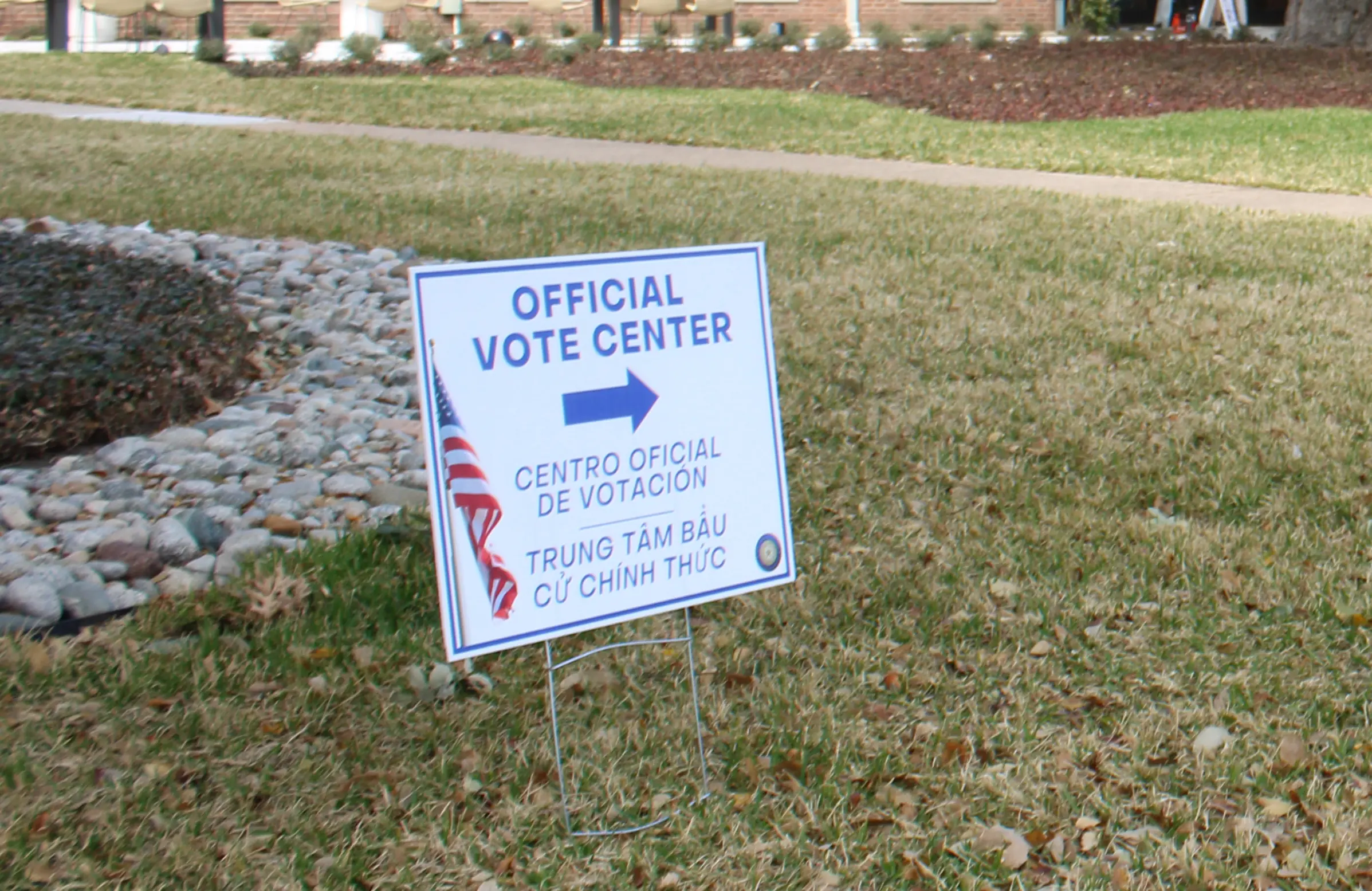
Park Cities voters will see significant turnover in local government this May, with multiple seats on city councils and the Highland Park ISD school board changing hands just as the spring election season reaches its peak.
Both Highland Park and University Park hold city council elections in May, and People Newspapers confirmed that several incumbents are not seeking reelection, opening the door for new voices in two of the most closely watched municipal governments in North Texas. Highland Park ISD, which serves students across both cities, also faces board turnover at a moment when school finance and facilities decisions carry real weight for families along Beverly Drive, Armstrong Parkway, and the surrounding streets.
The timing matters.
Park Cities government doesn’t generate headlines the way Dallas City Hall does, but decisions made in those council chambers touch property values, infrastructure spending, and the quality of life details that residents on Mockingbird Lane and Vassar Drive tend to notice quickly. A new council majority can shift priorities fast, especially in a city as compact and well-funded as Highland Park or University Park.
Voters will also weigh in on a public transit question this spring. The specific measure gives Park Cities residents a rare direct say in how regional transit service is structured, a topic that has divided North Texas suburbs for years. Residents who commute to the Uptown and Midtown corridors or whose household staff and service workers rely on bus routes have different stakes in that outcome, and the vote will reflect that divide.
Highland Park ISD’s school board races draw particular attention from the Preston Hollow and Park Cities community every cycle, partly because the district’s academic reputation drives so much of the residential demand in ZIP codes 75205 and 75209. Board composition shapes hiring decisions, curriculum direction, and long-term bond strategy. “People move to the Park Cities for the schools,” one local real estate broker told Preston Hollow Press, “and they watch those board seats the way they watch the Fed.”
New faces on the HPISD board aren’t inherently destabilizing. The district has maintained its standing through multiple leadership transitions. But voters considering their choices this May should look hard at each candidate’s position on the district’s long-range facilities plan and its approach to the state funding formula, which continues to shortchange property-wealthy districts under the recapture system despite sustained legal challenges from districts across Texas.
University Park’s council races carry their own texture. The city manages its infrastructure with the kind of discipline that keeps streets on Lovers Lane and Caruth Boulevard in better condition than most of Dallas proper, and the incoming council members will inherit a capital improvement pipeline that requires sustained attention to detail. Whoever wins in May will face immediate decisions about drainage, tree canopy maintenance, and the ongoing tension between density pressure from developers and the single-family character that residents have defended aggressively.
On the transit question, the North Central Texas Council of Governments regional planning framework gives local governments structured opportunities to shape how transit dollars flow through their communities. Park Cities voters haven’t always engaged heavily with regional transit ballots, but the May measure puts the question squarely in front of them.
Candidate forums and early voting dates haven’t all been finalized as of late April, so residents should check the Dallas County Elections Department for updated schedules before the filing window closes. Early voting for May elections typically begins two weeks before election day, and turnout in Park Cities municipal races, while higher than in many comparable suburbs, can swing on whether residents treat the local ballot with the same seriousness they give state and federal races. The new faces arriving in May will govern streets, schools, and spending decisions that shape daily life in two of the most affluent and closely watched cities in Texas.