
Winter Storm Forces North Dallas Restaurants Into Financial Crisis
Multi-day closures from ice storms threaten permanent shutdowns for Preston Hollow and Park Cities dining establishments already operating on thin margins.
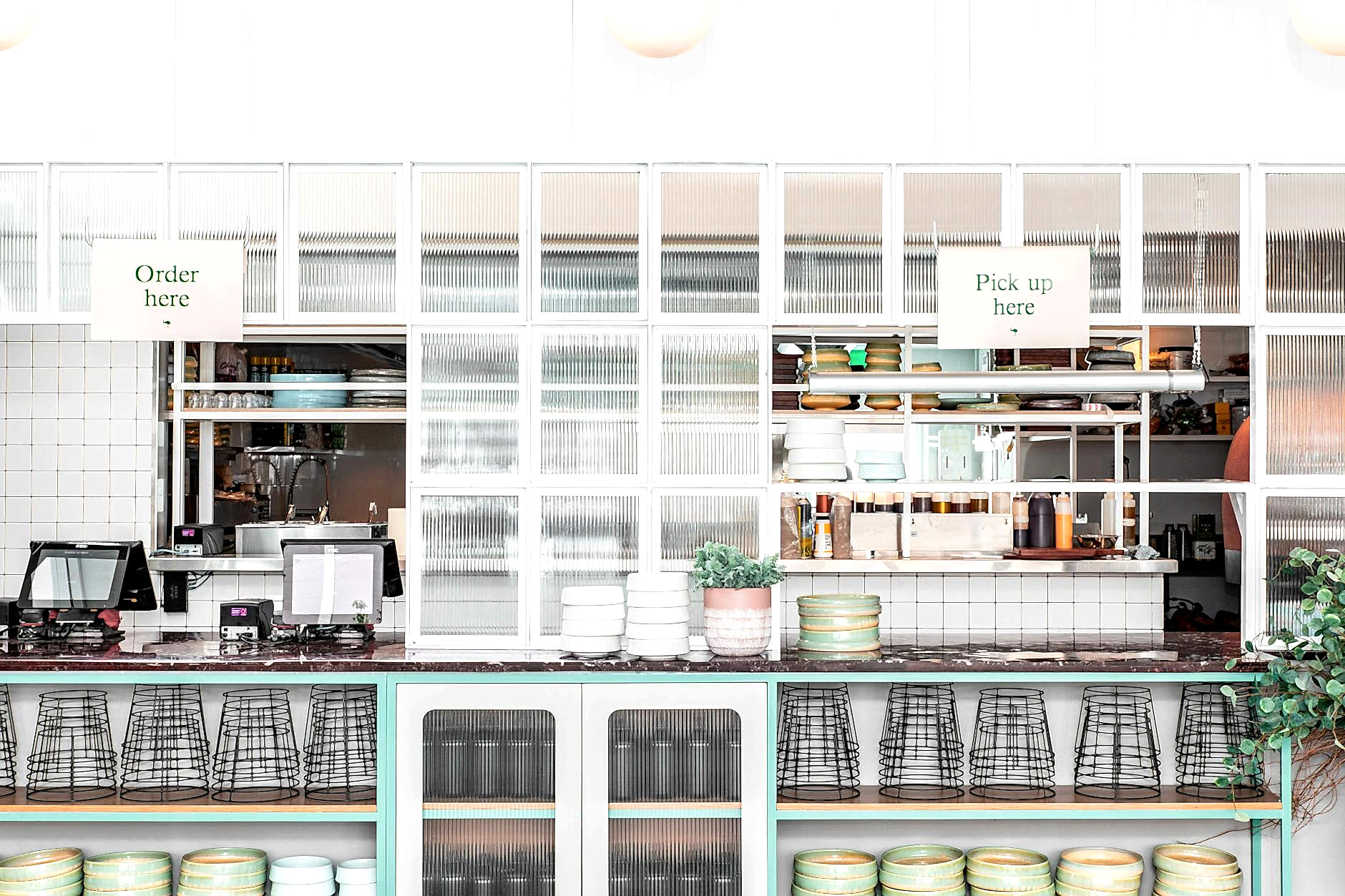
The elegant dining rooms at Highland Park Village sit eerily quiet, their usual hum of conversation replaced by the scrape of ice removal crews outside. What began as a typical January weather event has evolved into an existential crisis for North Dallas restaurants, where even establishments charging $75 for wagyu beef find themselves calculating whether they can survive three days without revenue.
The recent winter storm forced widespread closures across Preston Hollow, the Park Cities, and North Dallas, creating what industry insiders describe as a perfect storm of financial pressure. Unlike retail businesses that can make up lost sales through online orders or delayed purchases, restaurants face the brutal mathematics of perishable inventory and fixed costs that continue regardless of whether a single customer walks through the door.
“When you’re looking at $15,000 in daily operating costs between staff, utilities, and lease payments, every closed day becomes a potential knockout punch,” explains Maria Rodriguez, executive director of the Dallas Restaurant Coalition. “These aren’t just numbers on a spreadsheet — they’re family businesses, culinary dreams, and neighborhood gathering places that might not survive this.”
The impact extends beyond the obvious closure days. Many upscale establishments in Preston Hollow and Highland Park had accepted reservations for private events, wine dinners, and corporate gatherings that represent significantly higher per-person revenues than typical service. A cancelled wine dinner for 40 guests at $200 per person doesn’t simply reschedule — those bottles of Burgundy and specially sourced ingredients become immediate losses.
Restaurants specializing in fresh ingredients face particularly acute challenges. The farm-to-table concept that defines much of North Dallas’s elevated Food & Dining scene becomes a liability when deliveries can’t reach kitchens and ingredients spoil in walk-in coolers. One Preston Center establishment reported losing $8,000 in seafood alone when their planned four-course tasting menu had to be cancelled.
The Texas Restaurant Association has warned that even brief closures could trigger permanent shutdowns, particularly for establishments that were already navigating post-pandemic recovery challenges. The warning carries special weight in areas like Highland Park and University Park, where high lease costs and elevated labor expenses create razor-thin profit margins even during successful periods.
Family-owned establishments face distinct pressures. Unlike corporate chains with deep pockets and multiple revenue streams, independent restaurants often operate with limited cash reserves. The Vietnamese pho shop that anchors a Preston Road strip center faces the same closure pressures as the white-tablecloth French bistro charging $85 for duck confit, but with far fewer resources to weather the storm.
Some restaurateurs have attempted creative solutions. Several North Dallas establishments pivoted to takeout-only service where road conditions permitted, though this approach works better for casual concepts than fine dining establishments whose experience depends on ambiance and tableside service. Others have focused on protecting their most valuable asset — their staff — by continuing to pay hourly employees even during closure days.
The ripple effects extend throughout the hospitality ecosystem. Sommelier services, specialty food deliveries, and event planning businesses that serve North Dallas’s restaurant scene all face secondary impacts. One Highland Park wine distributor noted that delayed deliveries could affect inventory for Valentine’s Day service, typically one of the year’s most profitable periods for upscale establishments.
Insurance coverage adds another layer of complexity. While some policies include business interruption coverage, weather-related closures often fall into gray areas that require extensive documentation and don’t provide immediate cash flow relief. The elegant steakhouse with a month’s worth of dry-aged beef in climate-controlled storage faces different insurance considerations than the neighborhood bistro with daily ingredient deliveries.
Industry veterans note that winter weather closures hit differently than other disruptions. Summer storms typically last hours rather than days, and holiday closures can be planned with adjusted inventory and staffing. The unpredictable nature of ice storms creates what one Park Cities restaurant owner described as “financial whiplash” — rapid shifts from normal operations to complete shutdown without preparation time.
The broader economic impact extends to Dallas’s reputation as a dining destination. Food tourism represents a significant component of the local economy, with visitors specifically traveling to experience North Dallas’s culinary scene. Extended closures and potential permanent shutdowns could diminish the critical mass of restaurants that makes areas like Casa Brasa Opens Near Preston Center with South American Flair attractive dining destinations.
Recovery strategies vary by establishment type and financial position. Some restaurants are exploring emergency loan programs, while others are negotiating temporary rent deferrals with landlords who recognize that empty storefronts serve no one’s interests. The most successful recovery efforts appear to involve direct communication with regular customers, leveraging the personal relationships that define North Dallas’s dining culture.
As ice melts and roads clear, the true cost of this winter storm will emerge in the coming weeks. Some restaurants will reopen seamlessly, their financial cushions intact. Others may find that three days of closure tips them toward permanent darkness, their dreams dissolved in the same ice that temporarily covered North Dallas’s usually bustling dining scene.