
Dallas Council Skeptical of Bullet Train, Backs TRE Upgrades
Dallas City Council members pushed back on a high-speed rail line to Fort Worth, saying it harms Dallas and calling for investment in the Trinity Railway Express.
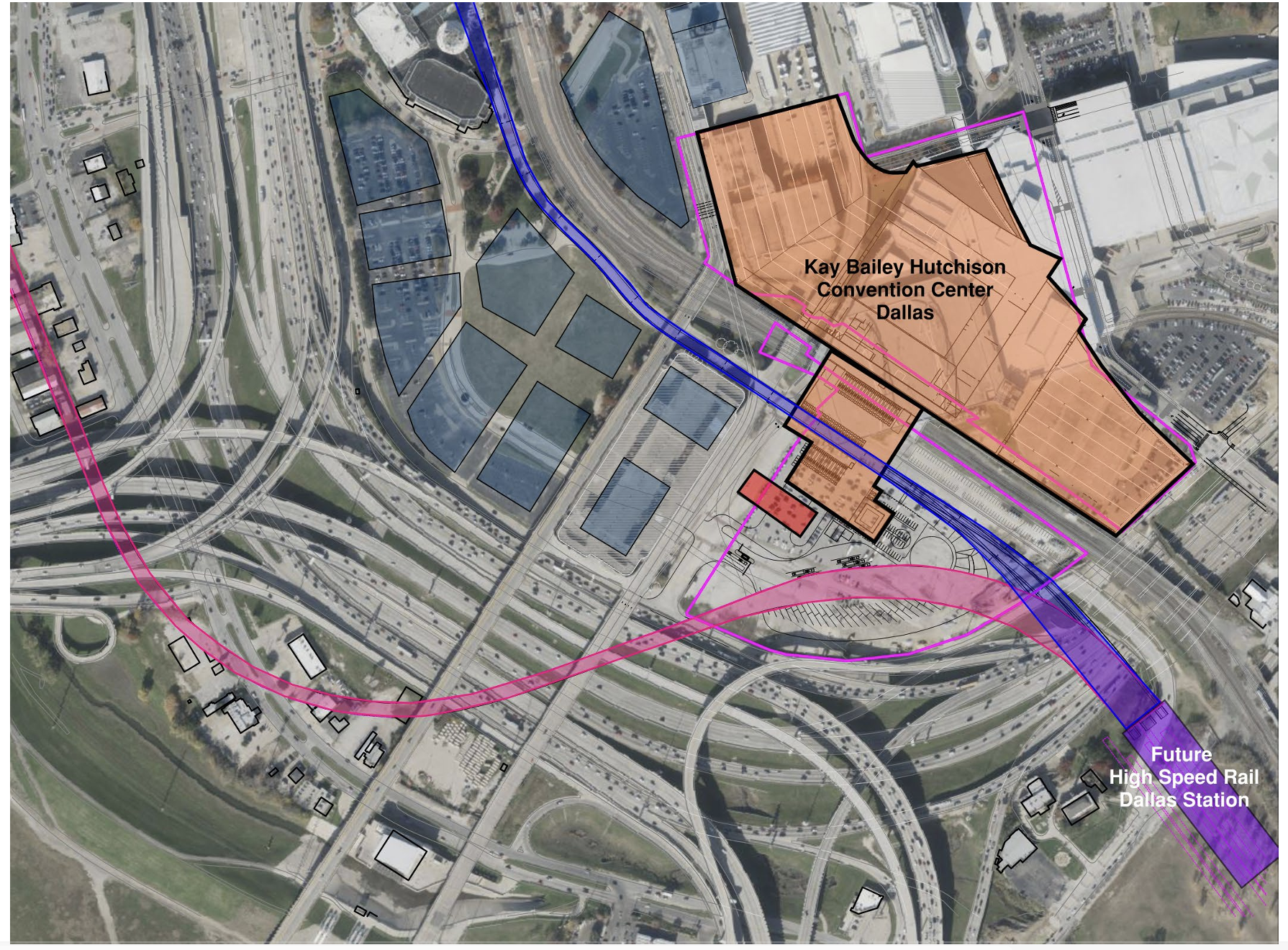
Dallas City Council members told a Transportation and Infrastructure Committee meeting on Jan. 8 that a proposed high-speed rail line between Dallas and Fort Worth doesn’t work for Dallas, with several members saying they’d rather see money go toward upgrading the existing Trinity Railway Express.
The skepticism is sharp. Cara Mendelsohn, the District 12 council member who also serves as Dallas’s representative on the North Central Texas Council of Governments Executive Board, didn’t mince words about where she sees the benefits landing.
“This is actually harmful to Dallas and helpful to Arlington and Fort Worth,” Mendelsohn said.
The council’s concerns center on cost, routing, and who actually gains. Proposed alignments would run the line through private land in Dallas, including the Reunion District in downtown and West Dallas. Some earlier proposals floated an elevated track, a downtown tunnel, or demolishing Reunion Tower entirely. None of those options sat well with a council that in 2024 passed a resolution opposing rail development in downtown, Uptown, and Victory Park, citing a multi-billion-dollar redevelopment project in the Reunion District that it didn’t want disrupted.
The city’s own economic impact study gave council members a different frame. A route that bypasses downtown could add $600 million in annual GDP growth and 3,400 jobs on a $6 billion investment, according to that study. Even so, members weren’t convinced the high-speed line itself makes sense at this stage.
District 2 Council Member Jesse Moreno was direct. “We need an alignment that is effective, that is non-disruptive, and this alignment is not good for Dallas,” Moreno said, according to Dallas Free Press. “I do not see an alignment that I would support outside of the TRE modernization.”
That preference for TRE improvements reflects a broader frustration among council members, who questioned the modest travel-time savings a bullet train would offer compared to what it would cost and displace. The Trinity Railway Express, which already connects Dallas and Fort Worth through a corridor that includes stops in Irving and other mid-cities communities, is seen by some members as the more practical investment.
The Dallas-to-Fort Worth rail discussion didn’t start recently. NCTCOG has been studying the corridor since at least 2020, with the long-term goal of linking it to the proposed Dallas-to-Houston high-speed line. That Houston connection has been in the works for more than a decade, and earlier DFW-to-Houston rail plans failed going back to the late 1980s. Long history. Modest results.
The immediate decision in front of NCTCOG involves a vote scheduled for June 22, when the Executive Board will take up Step 1 of the Federal Railroad Administration’s Corridor Identification and Development Program. That step awards a $500,000 grant to examine scope, schedule, and cost estimates for the high-speed rail project.
Whether Dallas’s representatives on that board push back or go along will matter. The Transportation and Infrastructure Committee sent the issue to the full city council, with the condition that the 2024 resolution protecting downtown development remain in force.
The council’s position puts Dallas in an uncomfortable spot. NCTCOG is a regional planning body, and Dallas is one voice among many around that table. Fort Worth and Arlington have different interests, and they’re not shy about saying so. Council members here are essentially arguing that a regional transit project would extract costs from Dallas while delivering the bulk of its ridership benefits somewhere along the Tarrant County side of the line.
Preston Hollow residents don’t ride the TRE, by and large. But they do have a stake in whether Dallas’s downtown development bets pay off. The Reunion District redevelopment represents the kind of large-scale investment that moves property tax rolls and city budgets citywide, and the council’s instinct to protect it from a rail corridor that could carve through it isn’t hard to understand. Mendelsohn’s district runs along the northern edge of the city, far from West Dallas, but she said plainly what several colleagues implied: the project as designed benefits other cities more than it benefits Dallas.