
HPISD Board Approves 4% Teacher and Staff Pay Raise
Highland Park ISD trustees unanimously approved a 4% pay raise for all teachers and staff covering the 2026-2027 school year.
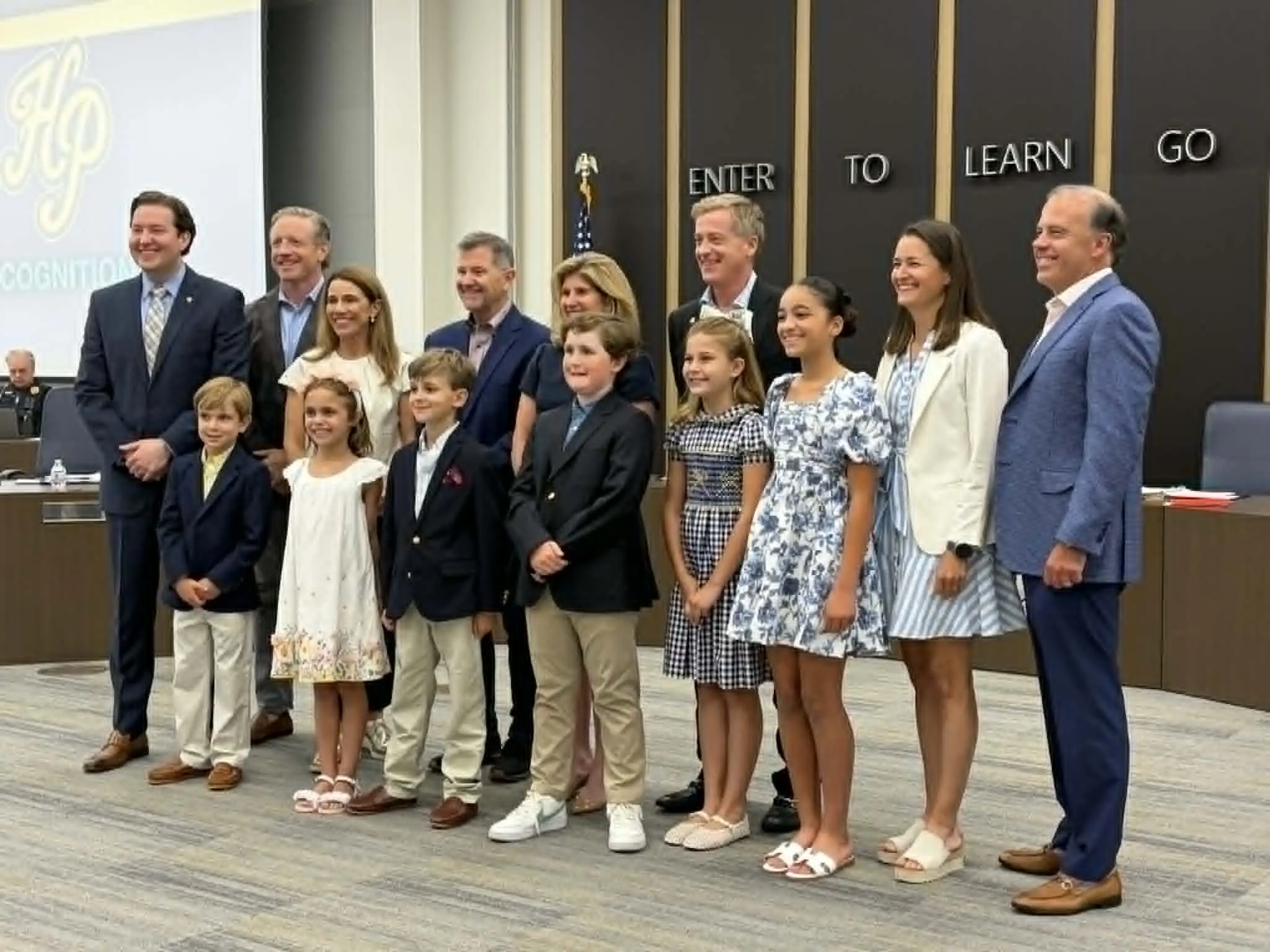
Highland Park ISD’s board of trustees approved a 4% pay raise for teachers and staff Tuesday, extending the district’s run of consecutive compensation increases as Texas school funding battles continue at the state level.
The vote covers all teachers and staff for the 2026-2027 school year. No board member dissented, according to People Newspapers, which first reported the action.
For a district that draws families to University Park and Highland Park partly on the strength of its academic reputation, keeping teacher compensation competitive isn’t a luxury. It’s a retention strategy. HPISD routinely loses candidates to neighboring districts and to private schools along Preston Road and Northwest Highway, where salaries and signing packages have grown more aggressive.
The 4% figure lands above the rate of general wage growth in the Dallas-Fort Worth market, which has cooled considerably since the hiring scrambles of 2022 and 2023. For a teacher at the midpoint of HPISD’s pay scale, the raise translates to a meaningful bump in take-home pay, not just a cost-of-living patch.
Highland Park ISD runs five campuses: Armstrong Elementary, Bradfield Elementary, Hyer Elementary, University Park Elementary, and Highland Park Middle School, with Highland Park High School serving the district’s roughly 6,900 students. The district’s reputation for college placement and competitive athletics, particularly on the football field, depends heavily on staff continuity. Coaches, counselors, and classroom teachers who know the district’s culture don’t walk out for $2,000 more somewhere else, but they will leave for $8,000 or $10,000. The board clearly understands that math.
Texas school finance has been a slow-moving crisis for most of the decade, with the basic allotment lawmakers use to fund per-pupil spending largely stagnant even as costs have climbed. Wealthier districts like HPISD can supplement state funding with local property tax revenue, which gives the board more flexibility than most Texas districts enjoy. That advantage has real limits, though, because state law caps how much recapture, or “Robin Hood” payments, HPISD must send back to the state. The district has navigated those constraints carefully.
What the board approved Tuesday doesn’t exist in isolation. Across the Park Cities, parents who pay some of the highest property taxes in Dallas County expect those dollars to show up in classrooms, not just in facilities. A 4% raise signals to staff that the board is paying attention.
“Highland Park ISD is committed to being competitive in the market and recognizing the dedication of our employees,” Superintendent Tom Trigg told People Newspapers.
Trigg has pushed compensation issues to the front of the district’s priorities as recruitment tightens across North Texas. Dallas ISD, Plano ISD, and Frisco ISD have all moved aggressively on pay over the past two years, and the private school corridor along Preston Road and Hillcrest hasn’t stood still either. HPISD’s ability to counter with a consistent annual increase matters more than any single year’s number.
The raise applies to all staff categories, meaning classroom aides, administrative support, and maintenance workers get the same percentage bump as certificated teachers. That approach tends to build morale across the full workforce rather than creating internal resentment between classroom and non-classroom employees.
The 2026-2027 school year begins in August. Board members will return to the budget later this spring to finalize other spending priorities, including capital projects at aging facilities and technology upgrades that staff have requested for several years. The pay raise approval clears one of the larger line items from that process and gives the district’s human resources team something concrete to put in front of candidates during the current hiring season, which runs from April through June for most positions.
For families inside the Park Cities loop, Tuesday’s vote is the kind of institutional steadiness they moved here to find. The board didn’t grandstand. It did its job.