
Oak Cliff Rezoning Dispute Heads to Dallas City Council
A years-long rezoning fight over 3.5 acres in North Oak Cliff reaches Dallas City Council, pitting density advocates against single-family residents.
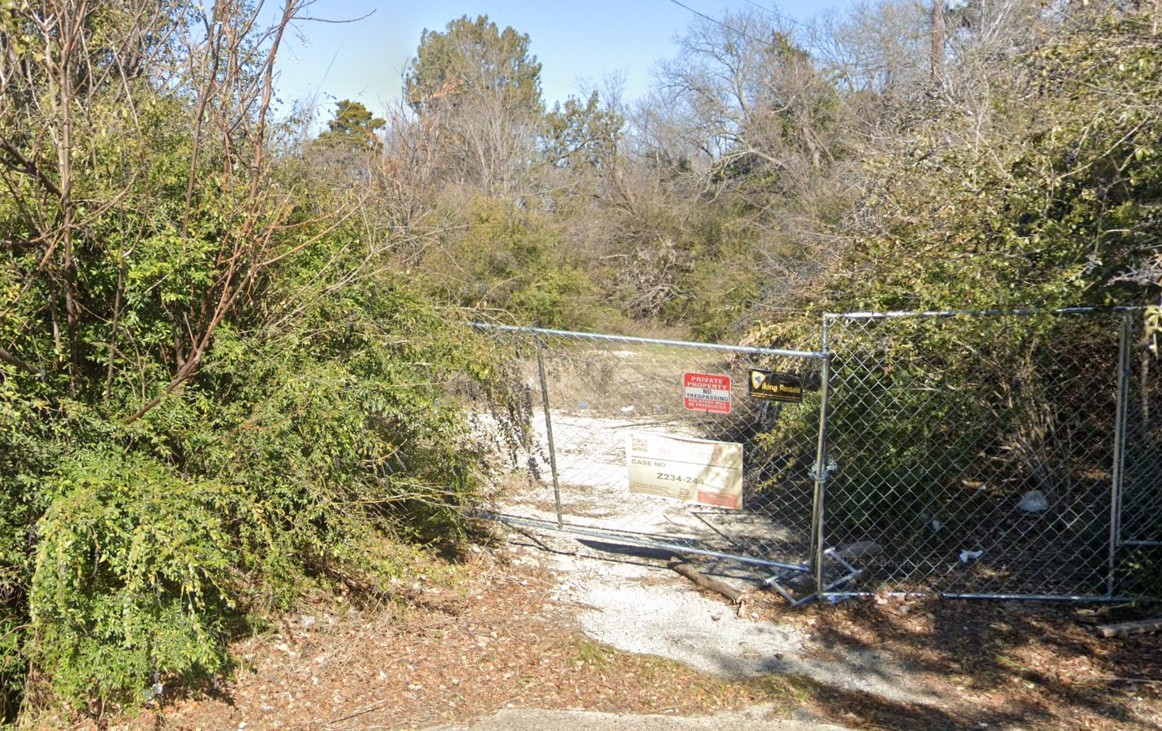
A years-long rezoning fight over 3.5 acres in Oak Cliff reaches Dallas City Council on Wednesday, with neighbors and a former city plan commissioner set to square off over density, single-family character, and what the city’s housing future actually looks like.
Christian Chernock, the former city plan commissioner behind the application, wants to rezone land sitting between Plymouth Road and the north terminus of North Boulevard Terrace in North Oak Cliff. The proposal has drawn organized opposition from single-family residents in the area who say the change would alter the character of their neighborhood in ways they can’t accept, and they plan to show up Wednesday and make that case to the council directly.
The dispute has been building for years. That’s not unusual for Dallas rezoning cases, which can grind through the city’s planning machinery for extended stretches before reaching council chambers. What makes this one worth watching from a North Dallas perspective is exactly what’s at stake citywide: the tension between adding density in established neighborhoods and protecting the low-rise, owner-occupied character that residents from Oak Cliff to Preston Hollow have spent decades fighting to preserve.
Dallas is under pressure to add housing stock, and city hall has been nudging more density into walkable corridors and infill sites across the city. Neighborhoods close to amenities, transit, and employment centers make obvious targets for that kind of rezoning. North Oak Cliff, with its bungalows and proximity to Bishop Arts and the Trinity, fits that profile, and Candy’s Dirt covered the dispute’s path to council in detail earlier this week.
The politics here aren’t simple. Chernock isn’t a random developer. He served on the city plan commission, which means he knows exactly how the process works, how to build a record, and how to frame a request in terms council members find palatable. Single-family opponents know all of that, and they’ve mobilized accordingly.
Preston Hollow residents watching this case should recognize the playbook. It’s the same one that surfaces whenever a developer or a well-connected applicant comes after a quiet residential block with a rezoning request. Neighbors organize. They pack the hearing. They hire representation. They fight.
The outcome Wednesday won’t necessarily be the end of it. Dallas City Council rezoning decisions can be appealed, and contentious cases often drag on well past the first vote, spawning amendments, continuances, and follow-on litigation that stretch the calendar by months or years. Anyone who has tracked the long fight over the near-Northwest Highway corridor, or the repeated attempts to push higher-density zoning into the Bluffview and Devonshire areas, knows the pattern well.
What council members will weigh on Wednesday is whether Chernock’s 3.5-acre site represents exactly the kind of targeted infill the city’s housing goals call for, or whether approving it sets a precedent that single-family opponents in a dozen other neighborhoods don’t want to live with. That’s a real trade-off, not a procedural formality.
“People who live in these neighborhoods have every right to show up and say this isn’t what we want,” said one Dallas land-use attorney familiar with North Oak Cliff zoning patterns, speaking about the broader category of cases rather than this one specifically. “And the council has every right to listen to them.”
The Dallas City Council’s land-use and housing decisions carry weight well beyond the specific parcels under review. Zoning is cumulative. A single approval on North Boulevard Terrace doesn’t transform a neighborhood overnight, but it does establish what the city is willing to do on similar sites, and similar sites exist throughout North Dallas, Preston Hollow included. The City of Dallas Development Services posts case files and hearing agendas publicly, so residents who want to track Wednesday’s vote and any follow-on proceedings can do so without waiting on a press release.
Wednesday’s council session starts what could be a long final chapter in a case that’s already consumed years of planning staff time, neighborhood association energy, and legal preparation on both sides.