
Dallas City Hall: Police Academy, DOGE, and Homeless Feeding
Dallas City Hall tackled a troubled police training facility, federal budget cuts from DOGE, and new restrictions on feeding homeless residents.
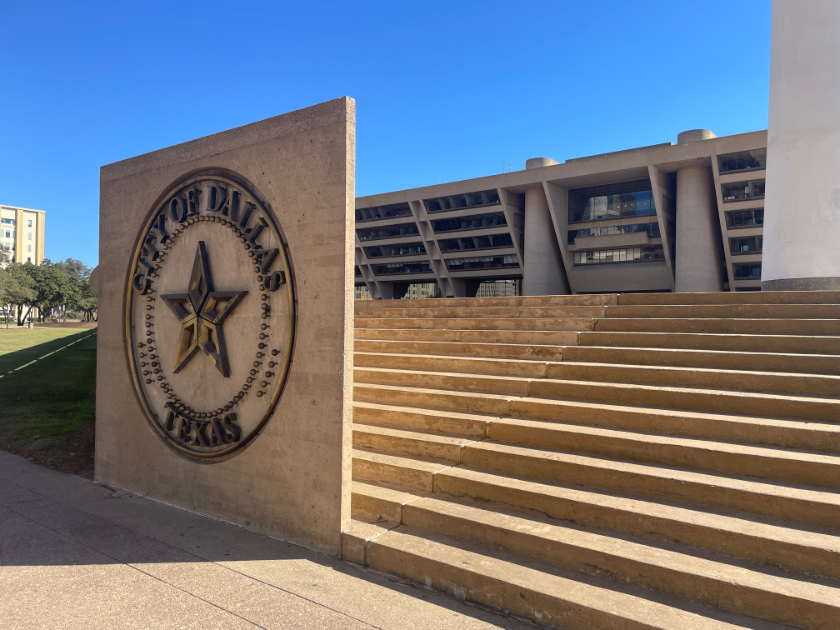
Dallas City Hall had a packed week, with councilmembers wrestling over a troubled police training facility, potential federal budget cuts, and a proposal that would restrict where nonprofits can feed homeless residents across the city.
The new police training facility ran into fresh financial trouble. The project, which has already faced scrutiny over its site selection and cost estimates, hit another snag when questions arose about the real estate deal underpinning the whole arrangement. The specifics of the transaction drew enough concern at the horseshoe that councilmembers pushed for a closer look before committing further public dollars to the development. For Preston Hollow and Park Cities residents who’ve watched Dallas police staffing numbers stay stubbornly low, delays to a facility meant to accelerate cadet classes carry real consequences. The department can’t train officers it doesn’t have classroom space for.
It’s a situation that’s been building for months.
Across town, federal budget pressure entered the council conversation through discussions tied to the Department of Government Efficiency, the Washington initiative pushing agencies to cut spending broadly. Dallas, like most major Texas cities, relies on a patchwork of federal grants that flow into everything from housing programs to public safety infrastructure. Any significant reduction in that federal funding stream puts city staff in the position of deciding which programs to protect and which to quietly let expire. The council didn’t reach any formal resolution on the matter, but the conversation signaled that Dallas budget planners are watching Washington closely as the fiscal year moves forward.
The sharpest debate of the week, though, centered on nonprofits that feed homeless residents in public spaces. The council took up a proposal that would put new limits on where and how those organizations operate, with supporters arguing the current free-for-all approach has created encampments that neighboring businesses and residents find difficult to manage. Critics of the measure pushed back hard, saying the city doesn’t have enough shelter capacity to justify restricting outdoor feeding programs without leaving people to go hungry.
“We can’t restrict access to food while we’re still 2,000 shelter beds short,” one advocacy representative told council, according to coverage from Candy’s Dirt, which tracked the week’s agenda items closely.
The feeding ordinance question isn’t abstract for neighborhoods north of Northwest Highway. Preston Hollow residents near the Preston Road corridor and the stretch along Hillcrest have seen spillover from encampments further south, and any policy that either concentrates or disperses that population has downstream effects well beyond downtown.
The council didn’t take a final vote on the nonprofit restrictions this week. The proposal goes back through committee before any formal action, which gives advocacy groups and business associations time to lobby their district representatives directly. District 11, which covers much of Preston Hollow, and District 14, which includes parts of the adjacent areas, will both face constituent pressure from multiple directions before that vote lands.
Dallas City Hall watchers know that the weeks before summer recess tend to pile up with unfinished business, and this session is running true to form. The police academy situation is the most time-sensitive of the three, since construction timelines don’t pause for political hesitation, and the department’s recruiting pipeline depends on getting cadets into a facility that can actually handle the volume. The current training setup has capacity constraints that city staff have acknowledged privately for at least two years, and the new facility was supposed to solve that problem. Right now, it’s adding to it.
The federal funding exposure and the feeding ordinance will both move on slower tracks, but neither is likely to disappear from the agenda before fall. City Manager Kimberly Tolbert’s office hasn’t released a formal impact assessment on potential DOGE-related cuts to Dallas grants, and the Dallas City Council’s legislative agenda continues to evolve as state and federal priorities shift. Councilmembers from North Dallas districts will need clear answers on the police academy finances before they can give constituents a straight timeline on when the new facility actually opens.